


The Moon and the Pavement
ABOUT THIS EXHIBITION

DATES & TIMES
13 August - 18 September, 2022
Open Daily: 10am - 4pm
A partnership between The Physics Room and Ashburton Art Gallery |
Artists | Teresa Collins, Yukari Kaihori, Susu, and Sam Towse
The moon and the pavement is an exhibition by The Physics Room in collaboration with Ashburton Art Gallery. The show includes new works by Teresa Collins, Yukari Kaihori, Susu, and Sam Towse, and takes a hyperlocal or extreme close-up perspective on materials and surfaces from an urban environment. These are considered in connection with personal memory and narrative associations, intimate yet at times as distant or unknowable as the moon.
Looking down at the coarse pavement or at your smooth backlit phone while walking has become a common habit. These surfaces have come to condition the way our bodies move through the world: feet on the ground, head in the internet. In this exhibition, commonplace materials and surfaces are examined with an intensity of focus revealing that this is a moving planet we are walking on, alive with its own forces and interactions.
Each artist in the show relies on found, industrially sourced and digital materials to make their work.
For Teresa Collins this means combing streets for discarded things that they collect and secure into the fishing-wire-suspended mobiles that hang low in the gallery space. In one of her works, titled The water goes sideways, a ceramic ball is suspended in water, balanced with a lead sinker. It references both rural and domestic settings: a fishtank, a cattle trough, but is also a clear pool or cube of light.
Yukari Kaihori’s work is also made with scavenged materials, which are transformed into new versions of themselves. A series of glass tiles are made from recycled glass from Ashburton region; ceramic tiles are glazed with ash from a gallery worker’s home fire. Other things gathered from the area outside of the gallery including acorns, magnolia candles, sable fern leaves and agate stones, are cast in pewter and wax. Materially distant from their organic origins, these objects ask: what forms of liveness exist within the building itself?
Sam Towse’s concrete slabs are composite sites. They draw on real pavement references from sites near to the artist’s home, but through the protracted and sometimes fickle processes of recording and reproduction, come to hold other forms of information or narrative. Towse’s sculptures have stones embedded in the poured concrete, like small-scale memorials to what the urban site inevitably suppresses beneath it, or crude human-made fossils. They are reminders that the surface of a city is in no way seamless; rather, its ‘skin’ craters, ruptures, and flakes like any other ageing body.
Susu’s work brings the body into focus through its interaction with other things in the world. A projected video falls onto the floor, so that we look ‘into’ it from above. Subtitles encircling the image so there is no fixed point from which to read. The video incorporates the artist’s memories in relation to Tudigong (deity of soil and the ground), swimming training, and lunar holiday fireworks, moving fluidly between physical and metaphysical states, between the ground and sky.
This exhibition asks that we move with a different kind awareness, attentive to both the everyday earthy matter that surrounds us, and to more feral, queer, or space-bound fantasies. The moon and the pavement also reminds us of the non-human and geological activity that animates the earth: the silveries that used to come rushing down the Hakatere each August. Volcanic eruptions 90 million years ago causing the formation of agates, chalcedony and quartz. And over the past 2 million years, the advance and retreat of glaciers in the Hakatere Ashburton region leaving behind vast slopes of shingle residue. Each of these movements leaves a material record, which is also a narrative: a riverbed, a pavement, an agate, the moon.
The moon and the pavement is a continuation of The Physics Room’s itinerant programme collaborating with public galleries across Te Waipounamu. This is the second partnership exhibition between the Ashburton Art Gallery and The Physics Room.
DATES & TIMES
13 August - 18 September, 2022
Open Daily: 10am - 4pm
Wednesday: 10am - 7pm
OTHER EXHIBITIONS
14 December 2025 - 15 February 2026

Peregrination: A Sub Antarctic Odyssey
Kathy Reilly
The five southernmost island groups of Aotearoa New Zealand are known collectively as the Subantarctic Islands. The Antipodes,…
14 December 2025 - 15 February 2026

Duologue
Inge and Marc Doesburg
Impressions of landscape and locale – both in Otago and Southern Te Waipounamu the South Island, as well…
14 December 2025 - 22 February 2026
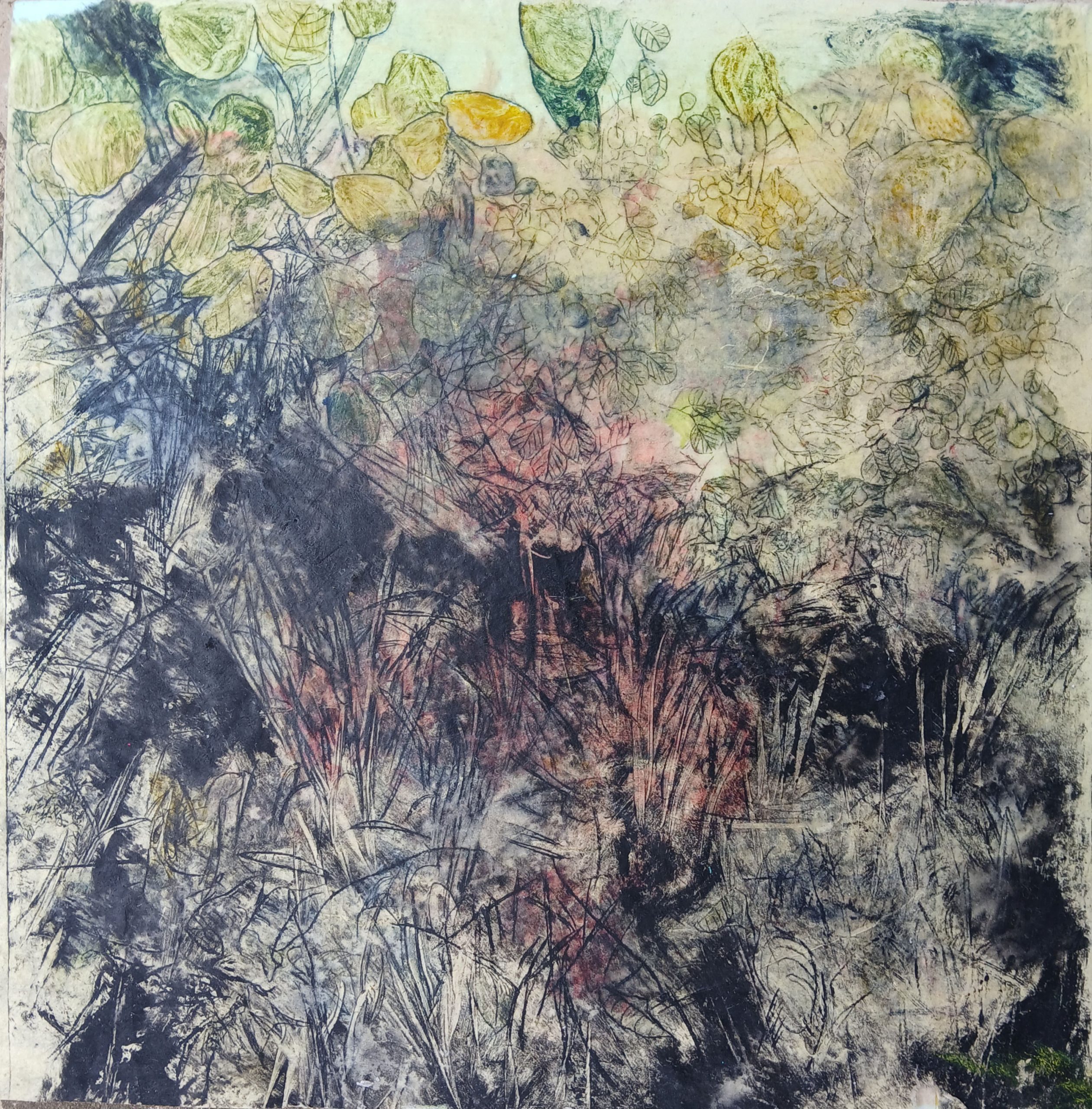
Contemporary Printmaking of Aotearoa: A Kōrero of Thoughts and Ideas
Print Council Aotearoa New Zealand
Within the process itself, printmaking encompasses a wide range of techniques. Woodblock, linocut, mezzotint, engraving, lithography, and screenprinting…
07 March - 19 April 2026

Zonta Ashburton Women’s Art Award 2026
The Ashburton Art Gallery and Zonta Club of Ashburton are delighted to announce the call for entries to…